Menu
Home
Post Something
Forums
Current Activity
New posts
Search forums
What's new
New posts
Latest activity
News & Features
The Marketplace
Cars for Sale
Engine and Performance
Chassis and Wheels
Exterior and Body
Interior and Cockpit
ICE - In Car Entertainment
Car Shops and Services
Toys and Wares
All Other Stuff
Jobs and Vacancies
Looking For
Members
Log in
Register
What's new
Search
Search
Search titles only
By:
Current Activity
New posts
Search forums
Menu
Log in
Register
Reply to thread
See what others are reading now! Try Forums >
Current Activity
Home
Forums
Main Forums
Interests
Do-It-Yourself Garage
DIY Voltage Stabilizer
JavaScript is disabled. For a better experience, please enable JavaScript in your browser before proceeding.
You are using an out of date browser. It may not display this or other websites correctly.
You should upgrade or use an
alternative browser
.
Message
<blockquote data-quote="Clutch_Shift_Accelerate" data-source="post: 1064671181" data-attributes="member: 158164"><p>Hey g4i8y0t, that's a good question. The best way for you to tell, is to drive the car without the VS + grounding cables at high RPMs and then with the VS + grounding cables. Conduct this test with the radio blasting music, lights on full and air con on full. Sadly I have not recorded any data to show my test results of this experiment.</p><p></p><p>Upon driving the car towards red line or close enough (5k RPM), you'll notice the acceleration output (wheel speed) will be ever so slightly affected. Also, when oscillating the throttle response, you'll notice a hick-up in the response time compared to before installing the VS + grounding cables.</p><p></p><p>Now for your circuit design. If you'd like to improve it, I'd recommend using lower capacitor values with low ESR and a larger array of them to get the total capacitance that you desire. The individual capacitance of a capacitor is far more important than the total capacitance of the VS. Typically they follow a charge time curve, that being said, the larger each individual capacitance of a capacitor the longer it takes to charge them. It would appear I didn't make this clear in my above explanation. Thank you for pointing it out.</p><p></p><p>Also, capacitors and batteries are not the same thing. A car battery produces energy through a chemical reaction. A capacitor stores charge between its plates and releases charge when certain conditions are met. It does not produce energy. Rather than make this super long and technical, just have a read about capacitors on Wikipedia. That ought to help give a good idea of how they function. If you still have questions, do let me know.</p><p></p><p>Finally, a total capacitance value of 90000uF is actually alright and it does not mean it will automatically prove to be a heavy load on the time response of the electrical system. This comes down to the selection of individual capacitors used in combination, the orientation of the circuit, ESR of the entire circuit and the health of the 12V battery. It would be ideal to build a VS system close to that value. However due to costing, circuit orientation and build dimensions, I've designed my VS to do as much as it can with a mere 18000uF. I have explored a bigger capacitance system, however it makes it difficult to mount in the engine bay and increases the cost of the product significantly because of the number of capacitors used. Japan made capacitors are not cheap sadly, especially with the increase in their currency recently.</p><p></p><p>I can design and build a VS of higher capacitance that would in theory smoothen the power signals response even further, if people are willing to pay for it. However, I feel that most users already question the functionality of VS + grounding cable systems, so I do not enforce this onto them especially due to its increase in price (an estimated total of RM340 for VS + grounding cable + custom installation).</p><p></p><p>Hope my reply helps~</p></blockquote><p></p>
[QUOTE="Clutch_Shift_Accelerate, post: 1064671181, member: 158164"] Hey g4i8y0t, that's a good question. The best way for you to tell, is to drive the car without the VS + grounding cables at high RPMs and then with the VS + grounding cables. Conduct this test with the radio blasting music, lights on full and air con on full. Sadly I have not recorded any data to show my test results of this experiment. Upon driving the car towards red line or close enough (5k RPM), you'll notice the acceleration output (wheel speed) will be ever so slightly affected. Also, when oscillating the throttle response, you'll notice a hick-up in the response time compared to before installing the VS + grounding cables. Now for your circuit design. If you'd like to improve it, I'd recommend using lower capacitor values with low ESR and a larger array of them to get the total capacitance that you desire. The individual capacitance of a capacitor is far more important than the total capacitance of the VS. Typically they follow a charge time curve, that being said, the larger each individual capacitance of a capacitor the longer it takes to charge them. It would appear I didn't make this clear in my above explanation. Thank you for pointing it out. Also, capacitors and batteries are not the same thing. A car battery produces energy through a chemical reaction. A capacitor stores charge between its plates and releases charge when certain conditions are met. It does not produce energy. Rather than make this super long and technical, just have a read about capacitors on Wikipedia. That ought to help give a good idea of how they function. If you still have questions, do let me know. Finally, a total capacitance value of 90000uF is actually alright and it does not mean it will automatically prove to be a heavy load on the time response of the electrical system. This comes down to the selection of individual capacitors used in combination, the orientation of the circuit, ESR of the entire circuit and the health of the 12V battery. It would be ideal to build a VS system close to that value. However due to costing, circuit orientation and build dimensions, I've designed my VS to do as much as it can with a mere 18000uF. I have explored a bigger capacitance system, however it makes it difficult to mount in the engine bay and increases the cost of the product significantly because of the number of capacitors used. Japan made capacitors are not cheap sadly, especially with the increase in their currency recently. I can design and build a VS of higher capacitance that would in theory smoothen the power signals response even further, if people are willing to pay for it. However, I feel that most users already question the functionality of VS + grounding cable systems, so I do not enforce this onto them especially due to its increase in price (an estimated total of RM340 for VS + grounding cable + custom installation). Hope my reply helps~ [/QUOTE]
Insert quotes…
Verification
Post reply
The Marketplace Latest
original rare spec Rays Volk Racing CE28 16x7jj...
Started by
david tao
Chassis and Wheels
Honda CITY 1.5 E (A)
Started by
PIstonHeads
Cars for sale
original BBS RE013 18x8jj offset +50 5H pcd 5x112...
Started by
david tao
Chassis and Wheels
original rare Yokohama ADVAN Racing RG3 18x8 18x8.5...
Started by
david tao
Chassis and Wheels
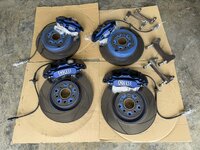
original Endless M4 S2 4pot 2pot brake caliper set...
Started by
david tao
Chassis and Wheels
original rare Yokohama ADVAN Racing RG2 17x8.5jj...
Started by
david tao
Chassis and Wheels
original rare WedsSport TC005 17x7jj offset +40 5H...
Started by
david tao
Chassis and Wheels
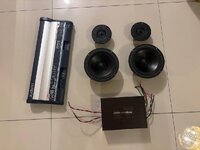
Vifa Speakers Audison Amp
Started by
samuel118
ICE -In Car Entertainment
original rare Yokohama ADVAN Racing RG3 18x8.5...
Started by
david tao
Chassis and Wheels
Carbing R35 GTR GTR35 Brake Master Cylinder Stopper
Started by
aycy
Engine and Performance
Posts refresh every 5 minutes
Considering of getting a FD2R.
Hi guys first post here forgive if there's some lack-of-knowledge question being asked.
Was considering of getting myself a FD2R (Facelift 09/10) for daily usage.
So my question is which one to go for?
RECONDS...
engine bay wash
any shop does that without screwing up anything?
24th May 2009 Sunday Track Day
this is it guys...the day u all have been waiting for..
for more info----->http://malaysiangp.com.my/story/sepang-circuits-sepang-circuit-track-days
prep ur car...and have a safe race...
Recent Posts
Honda Malaysia Doubles Down on Hybrids: New CR-V Launches with Dual e:HEV...
Started by
The_Mechanic
News and Features
BateriHub Reaches 200-Store Milestone, Becomes Malaysia’s Largest...
Started by
The_Mechanic
News and Features
Been stalking for 3 years edy
Started by
dheepadarshan95
Introduction and Newbies
Recommendation: Turbocharger for 4B11 N.A engine
Started by
Mitevo7
Car Modification
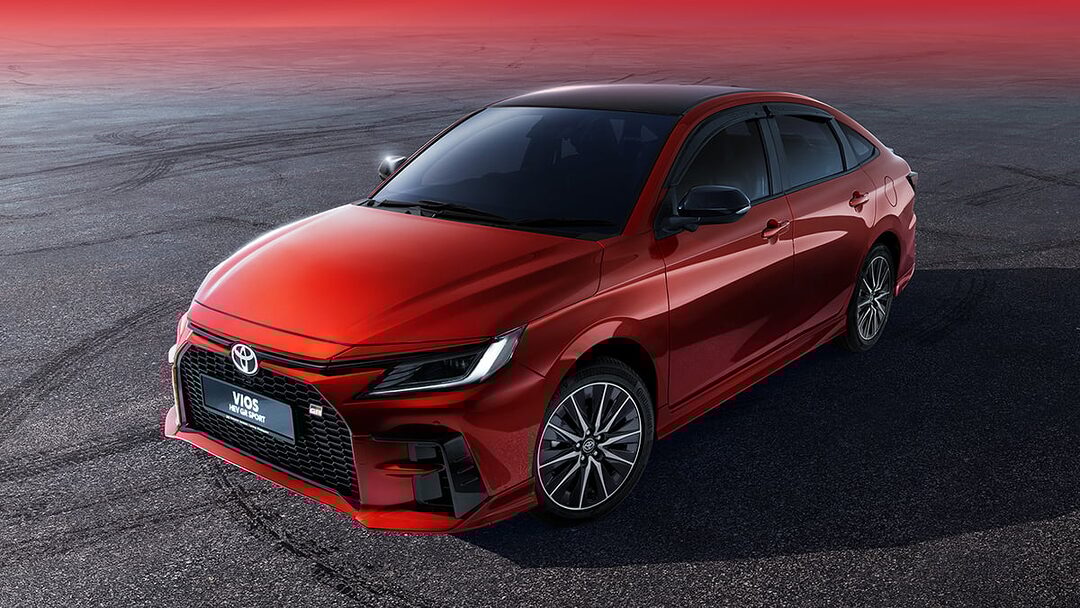
2026 Vios HEV launched with Local Battery Assembly - UMW Toyota Motor
Started by
The_Mechanic
News and Features
Search
Online now
Enjoying Zerotohundred?
Log-in
for an ad-less experience
Home
Forums
Main Forums
Interests
Do-It-Yourself Garage
DIY Voltage Stabilizer