Menu
Home
Post Something
Forums
Current Activity
New posts
Search forums
What's new
New posts
Latest activity
News & Features
The Marketplace
Cars for Sale
Engine and Performance
Chassis and Wheels
Exterior and Body
Interior and Cockpit
ICE - In Car Entertainment
Car Shops and Services
Toys and Wares
All Other Stuff
Jobs and Vacancies
Looking For
Members
Log in
Register
What's new
Search
Search
Search titles only
By:
Current Activity
New posts
Search forums
Menu
Log in
Register
Reply to thread
See what others are reading now! Try Forums >
Current Activity
Home
Forums
Main Forums
General Talk
Drivetrains ...
JavaScript is disabled. For a better experience, please enable JavaScript in your browser before proceeding.
You are using an out of date browser. It may not display this or other websites correctly.
You should upgrade or use an
alternative browser
.
Message
<blockquote data-quote="sakuraguy" data-source="post: 989123" data-attributes="member: 6441"><p>Rear wheel drive was a common form of engine/transmission layout used in automobiles throughout the 20th century. RWD typically places the engine in the front of the vehicle, but the mid engine and rear engine layouts are also used.</p><p></p><p>The vast majority of rear wheel drive vehicles use a longitudinally-mounted engine in the front of the vehicle, driving the rear wheels via a driveshaft linked via a differential between the rear axles. Some FR layout vehicles place the transmission at the rear, though most attach it to the engine at the front.</p><p></p><p>Rear wheel drive has fallen out of favor in passenger cars since the 1980s, due in part to higher manufacturing costs, and a perception by many car buyers that front wheel drive is safer, and that it performs better on slippery roads.</p><p></p><p>It still sees heavy use in taxi and police fleets, due to cheaper maintenance, and in the case of police fleets, better performance.</p><p></p><p>Advantages</p><p>Better handling in dry conditions - less force is applied to the front wheels, allowing more of their friction to be used to steer the vehicle and allowing more power to be applied through the rear wheels, which are unburdened by steering. </p><p>Less costly and easier maintenance - Rear wheel drive is mechanically simpler and typically does not involve packing as many parts into as small a space as does front wheel drive, thus requiring less disassembly or specialized tools in order to replace parts. </p><p>No torque steer. </p><p>Drifting - Drifting is a controlled skid, where the rear wheels break free from the pavement as they spin, allowing the rear end of the car to move freely left and right. This is of course easier to do on slippery surfaces. Severe damage and wear to tires and mechanical components can result from drifting on dry asphalt. Drifting can be used to help in cornering quickly, or in turning the car around in a very small space. Many enthusiasts make a sport of drifting, and will drift just for the sake of drifting. Drifting requires a great deal of skill, and is not recommended for most drivers. It should be mentioned that front wheel drive and four wheel drive cars may also drift, but only with much more difficulty. When front wheel drive cars drift, the driver usually pulls on the 'emergency break' in order for the back wheels to stop and thus skid. This technique is also used for 'long' drifts, where the turn is accomplished by pulling the e-break while turning the steering wheel to the direction the driver desires. With drifting, there is also the importance of 'counter-steering'-where while temporarily out of control, the driver regains it by turning the wheel in the opposite direction and thus preparing for the next turn or straight-away. </p><p>Even weight distribution - The division of weight between the front and rear wheels has a significant impact on a car's handling, and it is much easier to get a 50/50 weight distribution in a rear wheel drive car than in a front wheel drive car, as more of the engine can lie between the front and rear wheels (in the case of a mid engine layout, the entire engine), and the transmission is moved much farther back. </p><p>Towing - Rear wheel drive puts the wheels which are pulling the load closer to the point where a trailer articulates, helping steering, especially for large loads. </p><p>Weight transfer during acceleration.</p><p></p><p>Disadvantages</p><p>More difficult to master - While the handling characteristics of rear-wheel drive may be useful or fun in the hands of someone who knows how to use them, in the hands of most drivers, having the rear wheels move about is unintuitive and dangerous. Rear wheel drive rewards skill, and punishes the lack of it. Other layouts are much more forgiving, but don't offer the same rewards in handling. </p><p>Decreased interior space - This isn't an issue in a vehicle with a ladder frame like a pickup truck, where the space used by the drive line is unusable for passengers or cargo. But in a passenger car, rear wheel drive means: Less front leg room (the transmission tunnel takes up a lot of space between the driver and front passenger), less leg room for center passengers (there is also a smaller tunnel for the drive shaft), and sometimes less trunk space (since there is also more hardware that must be placed underneath the trunk). </p><p>Increased weight - The components of your typical rear wheel drive vehicle's power train may be less complex, but there are more of them. The driveshaft adds weight. The transmission is probably heavier. There is extra sheet metal to form the transmission tunnel. There is a rear axle or rear half-shafts. A rear wheel drive car will weigh slightly more than a comparable front wheel drive car (but less than four wheel drive). </p><p>Higher purchase price - Probably due to more complicated assembly (the powertrain is not one compact unit) and added cost of materials, rear wheel drive is typically slightly more expensive to purchase than a comparable front wheel drive vehicle. This might also be explained by production volumes, however. </p><p>More difficult handling on low grip surfaces (wet road, ice, snow, gravel...) as the car is pushed rather than pulled. </p><p>Oversteer and the related problem of fishtailing.</p></blockquote><p></p>
[QUOTE="sakuraguy, post: 989123, member: 6441"] Rear wheel drive was a common form of engine/transmission layout used in automobiles throughout the 20th century. RWD typically places the engine in the front of the vehicle, but the mid engine and rear engine layouts are also used. The vast majority of rear wheel drive vehicles use a longitudinally-mounted engine in the front of the vehicle, driving the rear wheels via a driveshaft linked via a differential between the rear axles. Some FR layout vehicles place the transmission at the rear, though most attach it to the engine at the front. Rear wheel drive has fallen out of favor in passenger cars since the 1980s, due in part to higher manufacturing costs, and a perception by many car buyers that front wheel drive is safer, and that it performs better on slippery roads. It still sees heavy use in taxi and police fleets, due to cheaper maintenance, and in the case of police fleets, better performance. Advantages Better handling in dry conditions - less force is applied to the front wheels, allowing more of their friction to be used to steer the vehicle and allowing more power to be applied through the rear wheels, which are unburdened by steering. Less costly and easier maintenance - Rear wheel drive is mechanically simpler and typically does not involve packing as many parts into as small a space as does front wheel drive, thus requiring less disassembly or specialized tools in order to replace parts. No torque steer. Drifting - Drifting is a controlled skid, where the rear wheels break free from the pavement as they spin, allowing the rear end of the car to move freely left and right. This is of course easier to do on slippery surfaces. Severe damage and wear to tires and mechanical components can result from drifting on dry asphalt. Drifting can be used to help in cornering quickly, or in turning the car around in a very small space. Many enthusiasts make a sport of drifting, and will drift just for the sake of drifting. Drifting requires a great deal of skill, and is not recommended for most drivers. It should be mentioned that front wheel drive and four wheel drive cars may also drift, but only with much more difficulty. When front wheel drive cars drift, the driver usually pulls on the 'emergency break' in order for the back wheels to stop and thus skid. This technique is also used for 'long' drifts, where the turn is accomplished by pulling the e-break while turning the steering wheel to the direction the driver desires. With drifting, there is also the importance of 'counter-steering'-where while temporarily out of control, the driver regains it by turning the wheel in the opposite direction and thus preparing for the next turn or straight-away. Even weight distribution - The division of weight between the front and rear wheels has a significant impact on a car's handling, and it is much easier to get a 50/50 weight distribution in a rear wheel drive car than in a front wheel drive car, as more of the engine can lie between the front and rear wheels (in the case of a mid engine layout, the entire engine), and the transmission is moved much farther back. Towing - Rear wheel drive puts the wheels which are pulling the load closer to the point where a trailer articulates, helping steering, especially for large loads. Weight transfer during acceleration. Disadvantages More difficult to master - While the handling characteristics of rear-wheel drive may be useful or fun in the hands of someone who knows how to use them, in the hands of most drivers, having the rear wheels move about is unintuitive and dangerous. Rear wheel drive rewards skill, and punishes the lack of it. Other layouts are much more forgiving, but don't offer the same rewards in handling. Decreased interior space - This isn't an issue in a vehicle with a ladder frame like a pickup truck, where the space used by the drive line is unusable for passengers or cargo. But in a passenger car, rear wheel drive means: Less front leg room (the transmission tunnel takes up a lot of space between the driver and front passenger), less leg room for center passengers (there is also a smaller tunnel for the drive shaft), and sometimes less trunk space (since there is also more hardware that must be placed underneath the trunk). Increased weight - The components of your typical rear wheel drive vehicle's power train may be less complex, but there are more of them. The driveshaft adds weight. The transmission is probably heavier. There is extra sheet metal to form the transmission tunnel. There is a rear axle or rear half-shafts. A rear wheel drive car will weigh slightly more than a comparable front wheel drive car (but less than four wheel drive). Higher purchase price - Probably due to more complicated assembly (the powertrain is not one compact unit) and added cost of materials, rear wheel drive is typically slightly more expensive to purchase than a comparable front wheel drive vehicle. This might also be explained by production volumes, however. More difficult handling on low grip surfaces (wet road, ice, snow, gravel...) as the car is pushed rather than pulled. Oversteer and the related problem of fishtailing. [/QUOTE]
Insert quotes…
Verification
Post reply
The Marketplace Latest
original rare R-Pride Wado Sakura flower 15x5jj...
Started by
david tao
Chassis and Wheels
original rare Yokohama ADVAN Racing TC4 17x8jj...
Started by
david tao
Chassis and Wheels
BRAND NEW original rare Yokohama ADVAN Racing RG3...
Started by
david tao
Chassis and Wheels
original FD2R akagakiracing titanium 2.75” exhaust...
Started by
david tao
Engine and Performance
original GT86 BRZ akagakiracing titanium 2.5”...
Started by
david tao
Engine and Performance
2pcs only, original rare spec Rays Volk Racing CE28...
Started by
david tao
Chassis and Wheels
original rare Yokohama ADVAN Racing RZ 18x8.5jj...
Started by
david tao
Chassis and Wheels
original rare spec Rays Volk Racing CE28 16x7jj...
Started by
david tao
Chassis and Wheels
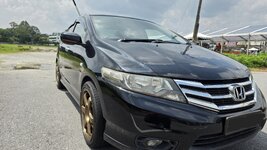
Honda CITY 1.5 E (A)
Started by
PIstonHeads
Cars for sale
original BBS RE013 18x8jj offset +50 5H pcd 5x112...
Started by
david tao
Chassis and Wheels
Posts refresh every 5 minutes
[wtb] Any nissan/datsun 240z/260z for sale?
Hai guys
Anyone can help me on this.
I'm serious cash buyer here.
Kindly PM me for any.
Thank you in advance
Citroen’s DS3 Racing is raring to go
http://www.zerotohundred.com/?attachment_id=14354
The Citroen DS3 Racing has finally been unveiled in final production form and is ready to make the hot hatch segment its own.
Effectively a DS3 DSport on steroids...
Off The Streets 5
[]
Photography:
-Ldragon
-Tom
Images: 225+
Pages: 5
Report by: .S.K.A.G.E.E.
Last night was definitely a night to remember,
It was the first...
Recent Posts
Darker Design : Mercedes-Benz Launches GLA Nightfall Edition in Malaysia
Started by
The_Mechanic
News and Features
Honda Malaysia Doubles Down on Hybrids: New CR-V Launches with Dual e:HEV...
Started by
The_Mechanic
News and Features
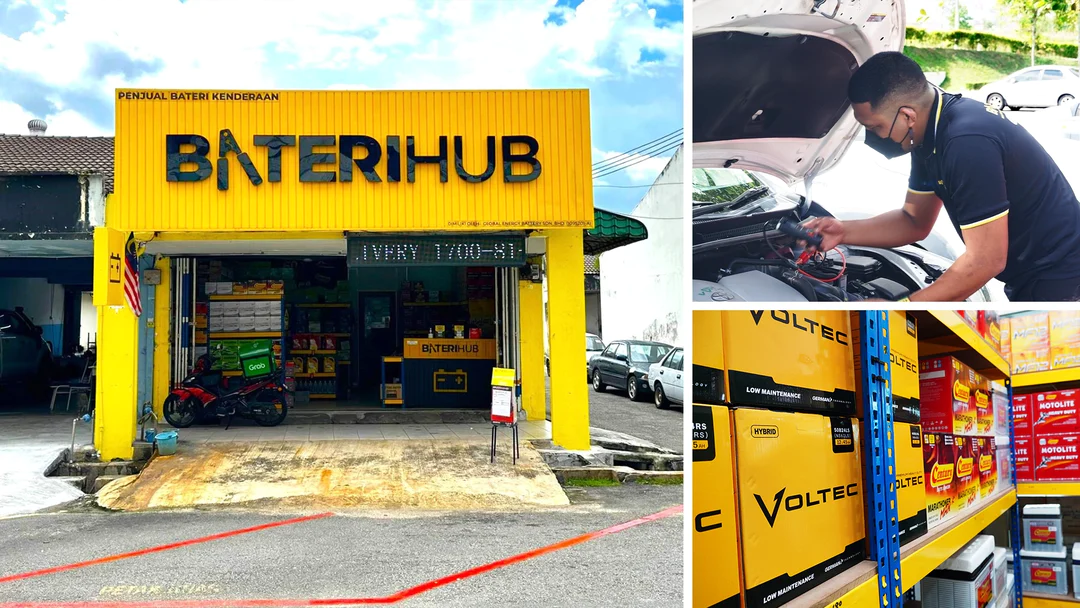
BateriHub Reaches 200-Store Milestone, Becomes Malaysia’s Largest...
Started by
The_Mechanic
News and Features
Been stalking for 3 years edy
Started by
dheepadarshan95
Introduction and Newbies
Recommendation: Turbocharger for 4B11 N.A engine
Started by
Mitevo7
Car Modification
Search
Online now
Enjoying Zerotohundred?
Log-in
for an ad-less experience
Home
Forums
Main Forums
General Talk
Drivetrains ...