Menu
Home
Post Something
Forums
Current Activity
New posts
Search forums
What's new
New posts
Latest activity
News & Features
The Marketplace
Cars for Sale
Engine and Performance
Chassis and Wheels
Exterior and Body
Interior and Cockpit
ICE - In Car Entertainment
Car Shops and Services
Toys and Wares
All Other Stuff
Jobs and Vacancies
Looking For
Members
Log in
Register
What's new
Search
Search
Search titles only
By:
Current Activity
New posts
Search forums
Menu
Log in
Register
Reply to thread
See what others are reading now! Try Forums >
Current Activity
Home
Forums
Car Clubs
Car Club Categories
RE Club Malaysia
Rotary Engines - FAQ.
JavaScript is disabled. For a better experience, please enable JavaScript in your browser before proceeding.
You are using an out of date browser. It may not display this or other websites correctly.
You should upgrade or use an
alternative browser
.
Message
<blockquote data-quote="savahn" data-source="post: 3898122" data-attributes="member: 49185"><p><strong>Info: RON 95</strong></p><p></p><p>Simple answer - Yes, you CAN use RON 95 with rotaries - SA, FC, FD, SE models.</p><p></p><p>The lower the octane, the easier it is for the fuel to detonate under compression = easier for engine knock to occur = bad for your engine. This is a design of the fuel itself and adjusted by the petrol companies using special additives and formulations.</p><p></p><p>Engine knock occurs because of high compression, heat and fuel mixture causes the fuel to undergo premature combustion - i.e. before the power stroke (in piston cars).</p><p></p><p>All engines are designed with a minimum RON rating. This is usually 91 for most cars manufactured year 2000+</p><p></p><p>Generally, sportscars should use high octane fuel because they tend to have higher compression in the chambers = turbo, supercharge, high compression NA.</p><p></p><p>It is very recommended to use as high octane as possible for rotaries because it is generally high compression and high(er) operating temperatures. Especially if you are out gunning it. SA's, FD's and FC's are either turbo-charged or have high compression ratios. SE's (RX8) have high compression ratios.</p><p></p><p>The main affect is engine knock - which leads to or is an indication of detonation - which is very bad for any engine and can cause damage to crankshafts, the engine block and other moving parts. In the case of rotaries, it can cause apex seal damage/failure or in the worst case, engine blow. It is not fun to replace your rotor housings and rotors. However, the FC's and FD's automatically throttle the fuel the moment it detects knock. I believe it is the same for the RX8.</p><p></p><p>If you use lower than recommended octane fuel, your ECU will automatically adjust to compensate for knock = less power. But the reverse is not true - using higher octane does not increase power. You must use the minimum octane recommended by your manufacturer.</p><p></p><p>There are a few places where the above is not true - in mountainous regions. There is less air pressure and hence, the octane of fuel will be lower in those areas. I am told that there are some parts of USA where the available octane is RON 87-89.<span style="color: Silver"></span></p><p><span style="color: Silver"></span></p><p><span style="color: Silver">[EDIT] Officially, please use the highest RON fuel you can find. Those of you who own a PowerFC will be able to see the direct affect of using lower RON fuel - the Power FC will show you the engine knock detected by the sensor. Any excessive amount of knock must be checked ASAP.</span></p><p><span style="color: Silver"></span></p><p><span style="color: Silver"><span style="font-size: 9px">---------- Post added at 02:02 PM ---------- Previous post was at 01:27 PM ----------</span></span></p><p><span style="color: Silver"></span></p><p><span style="color: Silver"></span><strong>INFO: Synthetic, Semi-Synthetic and Mineral engine oil</strong></p><p></p><p>This is specific to engine oil - NOT transmission oil, axle oil, LSD, etc.</p><p></p><p>Yes, you CAN use Synthetic. BUT there are caveats. Do use the recommended SAE rating of oil required for your situation.</p><p></p><p>The main reason for using mineral oil is the fact that it is value for money and widely recommended by large portions of the sports car community. It is also the recommended type of oil by Mazda. With cheap mineral oil, cost-wise, you can change your oil 3-5 times more often than with equivalent synthetic oil.</p><p></p><p>Mineral oil is extracted from crude oil - the stuff from which petrol, diesel, jet-fuel and other petroleum products come from. Mineral oil is a petroleum distillation that has additives such as special waxes and sealants to prevent it from freezing in cold weather and maintaining its viscosity throughout a temperature range.</p><p></p><p>The reasons for using synthetic is the belief that synthetic is a superior quality of oil. This is both true and false. Synthetics are man-made using chemistry based on esters. It is designed to have excellent viscosity consistency rating throughout a temperature range without additives. This is the primary reason why synthetics are considered superior. Additionally, some believe there are no additives in it that can cook and leave residues inside the oil system of an engine.</p><p></p><p>We are also told that if you use Synthetics, you can double or triple the period until the next oil change. This is true to an extent.</p><p></p><p>The problem is the lack of shear and its fantastic smoothness can be a problem. Engines that have been overhauled or had new parts installed need to be "broken in". This is a process of allowing the internal parts of the engine to wear down a tiny amount at lower engine speeds so as to function smoothly. Synthetics are so fantastic that this does not happen so well and can lead to excessive wear and tear at certain areas.</p><p></p><p>Idemitsu has a synthetic oil that was used in the Le Man 787 racer. When the engine was broken down after the race, it was found to have literally no wear and tear and in excellent condition. I have to point out that the 787 engine parts were machined and balanced to micro-meters of tolerance. This is an excellent situation for fully synthetic oil. None of that is ever done to a standard sports car.</p><p></p><p>That said, do use synthetic oil if you can afford it. But the point of mineral oil is so you can change it often. Observing the quality of the waste oil can give you clues as the health of your engine.</p><p></p><p>Semi-Synthetic is a mineral + synthetic formula. The synthetic portion is 30% or less of the total. This makes it cheaper than fully synthetic while providing an equivalent performance. Again, do use semi-synthetic if you can afford it.</p><p></p><p>However, if you put your car on a dyno, I sincerely doubt you will find any significant power improvement between synthetic and mineral.</p><p></p><p>NOTE: do NOT switch from synthetic back to mineral. You CAN switch from mineral to synthetic. You CAN switch back to mineral after a rebuild and then change to synthetic.</p><p></p><p>The reason for this is the additives in mineral oil do not sit well with synthetic. Semi-synthetics are specially formulated to prevent this, but its not the same as mixing a can of synthetic with a bottle of mineral.</p></blockquote><p></p>
[QUOTE="savahn, post: 3898122, member: 49185"] [B]Info: RON 95[/B] Simple answer - Yes, you CAN use RON 95 with rotaries - SA, FC, FD, SE models. The lower the octane, the easier it is for the fuel to detonate under compression = easier for engine knock to occur = bad for your engine. This is a design of the fuel itself and adjusted by the petrol companies using special additives and formulations. Engine knock occurs because of high compression, heat and fuel mixture causes the fuel to undergo premature combustion - i.e. before the power stroke (in piston cars). All engines are designed with a minimum RON rating. This is usually 91 for most cars manufactured year 2000+ Generally, sportscars should use high octane fuel because they tend to have higher compression in the chambers = turbo, supercharge, high compression NA. It is very recommended to use as high octane as possible for rotaries because it is generally high compression and high(er) operating temperatures. Especially if you are out gunning it. SA's, FD's and FC's are either turbo-charged or have high compression ratios. SE's (RX8) have high compression ratios. The main affect is engine knock - which leads to or is an indication of detonation - which is very bad for any engine and can cause damage to crankshafts, the engine block and other moving parts. In the case of rotaries, it can cause apex seal damage/failure or in the worst case, engine blow. It is not fun to replace your rotor housings and rotors. However, the FC's and FD's automatically throttle the fuel the moment it detects knock. I believe it is the same for the RX8. If you use lower than recommended octane fuel, your ECU will automatically adjust to compensate for knock = less power. But the reverse is not true - using higher octane does not increase power. You must use the minimum octane recommended by your manufacturer. There are a few places where the above is not true - in mountainous regions. There is less air pressure and hence, the octane of fuel will be lower in those areas. I am told that there are some parts of USA where the available octane is RON 87-89.[COLOR="Silver"] [EDIT] Officially, please use the highest RON fuel you can find. Those of you who own a PowerFC will be able to see the direct affect of using lower RON fuel - the Power FC will show you the engine knock detected by the sensor. Any excessive amount of knock must be checked ASAP. [SIZE=1]---------- Post added at 02:02 PM ---------- Previous post was at 01:27 PM ----------[/SIZE] [/COLOR][B]INFO: Synthetic, Semi-Synthetic and Mineral engine oil[/B] This is specific to engine oil - NOT transmission oil, axle oil, LSD, etc. Yes, you CAN use Synthetic. BUT there are caveats. Do use the recommended SAE rating of oil required for your situation. The main reason for using mineral oil is the fact that it is value for money and widely recommended by large portions of the sports car community. It is also the recommended type of oil by Mazda. With cheap mineral oil, cost-wise, you can change your oil 3-5 times more often than with equivalent synthetic oil. Mineral oil is extracted from crude oil - the stuff from which petrol, diesel, jet-fuel and other petroleum products come from. Mineral oil is a petroleum distillation that has additives such as special waxes and sealants to prevent it from freezing in cold weather and maintaining its viscosity throughout a temperature range. The reasons for using synthetic is the belief that synthetic is a superior quality of oil. This is both true and false. Synthetics are man-made using chemistry based on esters. It is designed to have excellent viscosity consistency rating throughout a temperature range without additives. This is the primary reason why synthetics are considered superior. Additionally, some believe there are no additives in it that can cook and leave residues inside the oil system of an engine. We are also told that if you use Synthetics, you can double or triple the period until the next oil change. This is true to an extent. The problem is the lack of shear and its fantastic smoothness can be a problem. Engines that have been overhauled or had new parts installed need to be "broken in". This is a process of allowing the internal parts of the engine to wear down a tiny amount at lower engine speeds so as to function smoothly. Synthetics are so fantastic that this does not happen so well and can lead to excessive wear and tear at certain areas. Idemitsu has a synthetic oil that was used in the Le Man 787 racer. When the engine was broken down after the race, it was found to have literally no wear and tear and in excellent condition. I have to point out that the 787 engine parts were machined and balanced to micro-meters of tolerance. This is an excellent situation for fully synthetic oil. None of that is ever done to a standard sports car. That said, do use synthetic oil if you can afford it. But the point of mineral oil is so you can change it often. Observing the quality of the waste oil can give you clues as the health of your engine. Semi-Synthetic is a mineral + synthetic formula. The synthetic portion is 30% or less of the total. This makes it cheaper than fully synthetic while providing an equivalent performance. Again, do use semi-synthetic if you can afford it. However, if you put your car on a dyno, I sincerely doubt you will find any significant power improvement between synthetic and mineral. NOTE: do NOT switch from synthetic back to mineral. You CAN switch from mineral to synthetic. You CAN switch back to mineral after a rebuild and then change to synthetic. The reason for this is the additives in mineral oil do not sit well with synthetic. Semi-synthetics are specially formulated to prevent this, but its not the same as mixing a can of synthetic with a bottle of mineral. [/QUOTE]
Insert quotes…
Verification
Post reply
The Marketplace Latest
New original Defi Advance A1 NA package triple...
Started by
david tao
Engine and Performance
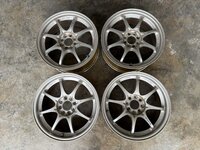
original rare Rays Volk Racing CE28 16x7jj offset...
Started by
david tao
Chassis and Wheels
Honda Jazz/Fit JSracing GTwing Spoiler
Started by
jeff6126
Exterior and Body
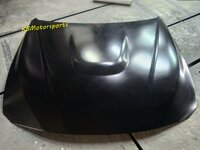
Toyota Vios NCP93 front bonnet hood
Started by
jeff6126
Exterior and Body
Honda civic fc varis spoiler
Started by
jeff6126
Exterior and Body
BMW F10 Msport front bumper set
Started by
jeff6126
Exterior and Body
BMW F30 M3/GTS front bonnet hood
Started by
jeff6126
Exterior and Body
BMW F10 vorsteiner rear bumper diffuser
Started by
jeff6126
Exterior and Body
Mitsubishi Lancer Evo bodykit
Started by
jeff6126
Exterior and Body
BMW F30 M3 front skirt lip
Started by
jeff6126
Exterior and Body
Posts refresh every 5 minutes
AUTOBACS 2012 SUPER GT Round 3, Sepang International Circuit - Part 1
2012 AUTOBACS SUPER GT Round 3, Sepang International Circuit - Part 1
https://www.zerotohundred.com/wp-content/uploads/2012/06/fire-600x400.jpg
If last year’s Super GT was on fire, this year was nothing...
WTB sum item,come n sell me :D
1)SARD BOV/GREDDY BOV/BLITZ BOV/APEX'i BOV FOR EVO7.5GTA
2)Chargespeed fender replica or used
3)Exhaust Monifold with wastegate paip ready
4)Used HKS or Tial WAstegate
contact me at 017-9026644 (TAN)
n remember to...
GSR ECU & Gti ECU
hey u guys put there....
1 of my fren would like to know the following questions...he is driving a Gti 1.8 DOHC n would like to bolt on a GSR turbo to his engine...
1. would a GSR 5663/7377 ECU can be plugged in...
Recent Posts
Darker Design : Mercedes-Benz Launches GLA Nightfall Edition in Malaysia
Started by
The_Mechanic
News and Features
Honda Malaysia Doubles Down on Hybrids: New CR-V Launches with Dual e:HEV...
Started by
The_Mechanic
News and Features
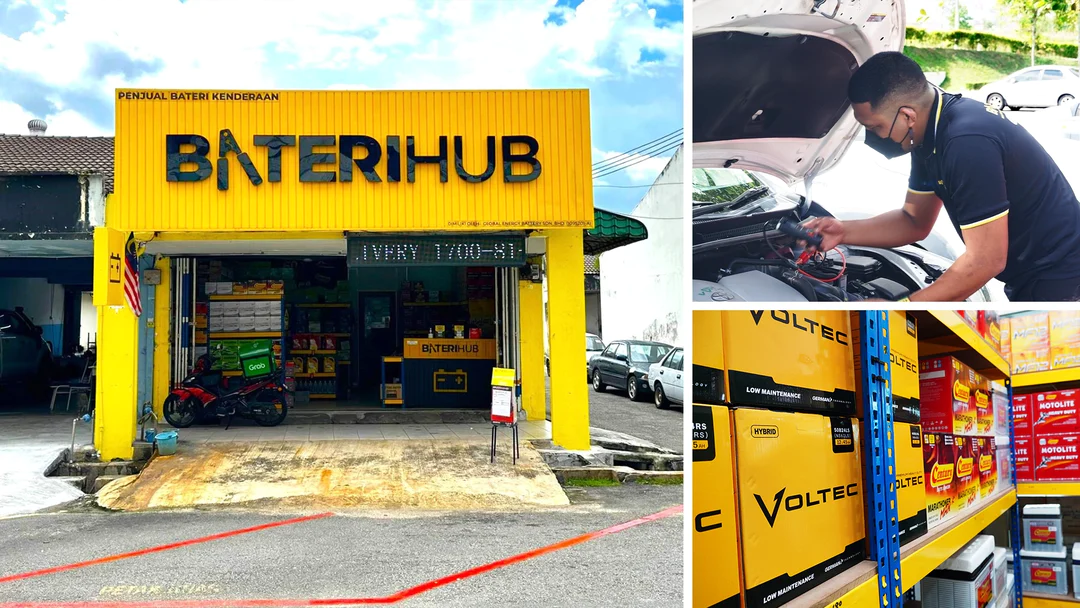
BateriHub Reaches 200-Store Milestone, Becomes Malaysia’s Largest...
Started by
The_Mechanic
News and Features
Been stalking for 3 years edy
Started by
dheepadarshan95
Introduction and Newbies
Recommendation: Turbocharger for 4B11 N.A engine
Started by
Mitevo7
Car Modification
Search
Online now
Enjoying Zerotohundred?
Log-in
for an ad-less experience
Home
Forums
Car Clubs
Car Club Categories
RE Club Malaysia
Rotary Engines - FAQ.