Menu
Home
Post Something
Forums
Current Activity
New posts
Search forums
What's new
New posts
Latest activity
News & Features
The Marketplace
Cars for Sale
Engine and Performance
Chassis and Wheels
Exterior and Body
Interior and Cockpit
ICE - In Car Entertainment
Car Shops and Services
Toys and Wares
All Other Stuff
Jobs and Vacancies
Looking For
Members
Log in
Register
What's new
Search
Search
Search titles only
By:
Current Activity
New posts
Search forums
Menu
Log in
Register
Reply to thread
See what others are reading now! Try Forums >
Current Activity
Home
Forums
Main Forums
Car Talk
Forced Induction & Engine Management
Tuning with a EGT
JavaScript is disabled. For a better experience, please enable JavaScript in your browser before proceeding.
You are using an out of date browser. It may not display this or other websites correctly.
You should upgrade or use an
alternative browser
.
Message
<blockquote data-quote="sekut_kring" data-source="post: 1403735" data-attributes="member: 31508"><p><strong>Tuning Via EGT vs, Wide Band/ Narrow Band Meters</strong></p><p></p><p>SOme reading for me and you all....</p><p></p><p>There seems to be a lot of mystery and misinformation about using exhaust gas temperatures to tune engines. Claims by many EGT gauge manufacturers about it being the best way to tune an engine must be qualified. The BEST way to tune an engine is on an engine dyno- PERIOD. What EGT is good for is a reference for where the engine made maximum torque at wide open throttle. Once removed from the dyno, a similar air/fuel ratio can be established at a later date by dialing in the mixture to achieve the target EGT. It is really the AFR that is important, not the EGT. Most engines will make maximum power at an AFR of between 12.0 and 13.5 to 1 however, the EGT may vary from 1250F to 1800F and is dependent on many factors.</p><p></p><p>It should be mentioned that the target EGT is valid only on the same engine configuration as was used on the dyno. If you change the ignition timing, cams, pistons, headers etc., the optimum EGT may also change. Raising the compression ratio with no other changes will drop the EGT at the same AFR. Retarding the ignition timing will generally raise the EGT at the same AFR. One engine might make best power at 1350 degrees while a very similar engine might be happier at 1500. You can't guess at this or you are simply wasting your money on the instrumentation. Wankel engines have higher EGTs than comparable piston engines due to their lower thermal efficiencies. 1800F is not uncommon here.</p><p></p><p>Some gauge manufacturers say you should tune to achieve maximum or peak EGT for maximum performance. This is incorrect. Peak EGT generally occurs at an AFR of around 14.7- 15.0 to 1 on gasoline. This is far too lean for maximum power and is dangerous under continuous WOT conditions. <span style="color: Red">Many people think that the leaner you go, the higher the EGT gets. This is also incorrect. Peak EGT occurs at stoichiometry- about 15 to 1 for our purposes. If you go richer than 15 to 1, EGT will drop and if you go leaner than 15 to 1 EGT will ALSO drop. It is VERY important to know which side of peak EGT you are on before making adjustments</span>. It is safe to say that peak power will occur at an EGT somewhat colder than peak EGT.</p><p></p><p>You can sometimes feel a lean of peak condition as the mixture is hard to ignite and power will be down a bit as well. Once the AFR gets close to 17 to 1 at WOT, generally the engine will start to lean misfire. Most tuners always recommend to begin jetting or programming from a known very rich initial setting and carefully leaning until torque falls off slightly, then going back richer to the point of max torque. Note the EGT at this setting. Be aware that altitude, barometric pressure and ambient air temperature may affect this optimal temperature to some degree.</p><p></p><p>Are EGT gauges better than AFR meters? Conventional narrow band oxygen sensors and digital LED meters are not the best devices to measure AFR in the richer ranges but they certainly warn of a too lean condition immediately and obviously, without translation by the driver and they are affordable. Meters combined with wide band sensors are supposed to be highly accurate and everyone has jumped on the bandwagon with these lately. Unfortunately the naive and impressionable often don't question the accuracy of these devices. We have seen some dyno plots indicating best power was achieved at AFRs of 9.7 to 1 on gasoline. This is PHYSICALLY AND CHEMICALLY IMPOSSIBLE and shows that either the sensor was bad (leaded fuel used possibly) or the meter was not calibrated properly. Again, the wide band sensors have the same limitations as the narrow band- leaded race gas quickly fouls them. We have heard and read many stories now indicating that certain brands of wideband meters differ as much as 2 points AFR in readings between each other. In other words, the accuracy of some of these devices is highly questionable. Extensive testing with laboratory quality instrumentation on aircraft engines universally indicates that best power is NEVER made at AFRs richer than 12 to 1. Airflow and fuel flow rates are independently measured and each cylinder is instrumented with EGT probes.</p><p></p><p>We recently dynoed a shop road racing Celica on a DynoJet equipped with a wide band meter. The meter was saying that the engine was going super lean (17 to 1) at high rpm so we kept upping the fuel there. The engine lost more and more power as we added fuel. The dyno operator was convinced that the meter was right but logic told us with no serious dip in power on the curve and the fact that the engine was still alive that the meter was not correct. We started leaning the engine down more and the engine started gaining power. Finally, when confronted with this information, the operator checked the water trap for the wide band sensor. Once this was emptied, the AFRs looked reasonable again. We didn't need the wide band to tell us this, only the torque curve from the dyno.</p><p></p><p>We have heard of several other instances with people using wide bands getting erroneous readings and tuning their SDS based on these readings. Then they phone us saying that the system is crap. Look at the dyno curve, when the engine makes its best power at a given rpm, that's where it likes the AFR irregardless of what other instrumentation is telling you. Remember, a bad sensor whether O2 or EGT equals bad information. When the engine sounds crisp and makes great power, you're there.</p><p></p><p>I would suggest that mixture meters and EGT gauges are complimentary. EGT gauges have the advantage of working long term with leaded fuel which will clog oxygen sensors. EGT gauges are widely used to set mixture on engines used for steady state high power applications where operation has been carefully documented such as in aircraft. The choice would depend on the application. Both are better if you can afford them.</p><p></p><p></p><p></p><p>Rgds,</p></blockquote><p></p>
[QUOTE="sekut_kring, post: 1403735, member: 31508"] [b]Tuning Via EGT vs, Wide Band/ Narrow Band Meters[/b] SOme reading for me and you all.... There seems to be a lot of mystery and misinformation about using exhaust gas temperatures to tune engines. Claims by many EGT gauge manufacturers about it being the best way to tune an engine must be qualified. The BEST way to tune an engine is on an engine dyno- PERIOD. What EGT is good for is a reference for where the engine made maximum torque at wide open throttle. Once removed from the dyno, a similar air/fuel ratio can be established at a later date by dialing in the mixture to achieve the target EGT. It is really the AFR that is important, not the EGT. Most engines will make maximum power at an AFR of between 12.0 and 13.5 to 1 however, the EGT may vary from 1250F to 1800F and is dependent on many factors. It should be mentioned that the target EGT is valid only on the same engine configuration as was used on the dyno. If you change the ignition timing, cams, pistons, headers etc., the optimum EGT may also change. Raising the compression ratio with no other changes will drop the EGT at the same AFR. Retarding the ignition timing will generally raise the EGT at the same AFR. One engine might make best power at 1350 degrees while a very similar engine might be happier at 1500. You can't guess at this or you are simply wasting your money on the instrumentation. Wankel engines have higher EGTs than comparable piston engines due to their lower thermal efficiencies. 1800F is not uncommon here. Some gauge manufacturers say you should tune to achieve maximum or peak EGT for maximum performance. This is incorrect. Peak EGT generally occurs at an AFR of around 14.7- 15.0 to 1 on gasoline. This is far too lean for maximum power and is dangerous under continuous WOT conditions. [COLOR="Red"]Many people think that the leaner you go, the higher the EGT gets. This is also incorrect. Peak EGT occurs at stoichiometry- about 15 to 1 for our purposes. If you go richer than 15 to 1, EGT will drop and if you go leaner than 15 to 1 EGT will ALSO drop. It is VERY important to know which side of peak EGT you are on before making adjustments[/COLOR]. It is safe to say that peak power will occur at an EGT somewhat colder than peak EGT. You can sometimes feel a lean of peak condition as the mixture is hard to ignite and power will be down a bit as well. Once the AFR gets close to 17 to 1 at WOT, generally the engine will start to lean misfire. Most tuners always recommend to begin jetting or programming from a known very rich initial setting and carefully leaning until torque falls off slightly, then going back richer to the point of max torque. Note the EGT at this setting. Be aware that altitude, barometric pressure and ambient air temperature may affect this optimal temperature to some degree. Are EGT gauges better than AFR meters? Conventional narrow band oxygen sensors and digital LED meters are not the best devices to measure AFR in the richer ranges but they certainly warn of a too lean condition immediately and obviously, without translation by the driver and they are affordable. Meters combined with wide band sensors are supposed to be highly accurate and everyone has jumped on the bandwagon with these lately. Unfortunately the naive and impressionable often don't question the accuracy of these devices. We have seen some dyno plots indicating best power was achieved at AFRs of 9.7 to 1 on gasoline. This is PHYSICALLY AND CHEMICALLY IMPOSSIBLE and shows that either the sensor was bad (leaded fuel used possibly) or the meter was not calibrated properly. Again, the wide band sensors have the same limitations as the narrow band- leaded race gas quickly fouls them. We have heard and read many stories now indicating that certain brands of wideband meters differ as much as 2 points AFR in readings between each other. In other words, the accuracy of some of these devices is highly questionable. Extensive testing with laboratory quality instrumentation on aircraft engines universally indicates that best power is NEVER made at AFRs richer than 12 to 1. Airflow and fuel flow rates are independently measured and each cylinder is instrumented with EGT probes. We recently dynoed a shop road racing Celica on a DynoJet equipped with a wide band meter. The meter was saying that the engine was going super lean (17 to 1) at high rpm so we kept upping the fuel there. The engine lost more and more power as we added fuel. The dyno operator was convinced that the meter was right but logic told us with no serious dip in power on the curve and the fact that the engine was still alive that the meter was not correct. We started leaning the engine down more and the engine started gaining power. Finally, when confronted with this information, the operator checked the water trap for the wide band sensor. Once this was emptied, the AFRs looked reasonable again. We didn't need the wide band to tell us this, only the torque curve from the dyno. We have heard of several other instances with people using wide bands getting erroneous readings and tuning their SDS based on these readings. Then they phone us saying that the system is crap. Look at the dyno curve, when the engine makes its best power at a given rpm, that's where it likes the AFR irregardless of what other instrumentation is telling you. Remember, a bad sensor whether O2 or EGT equals bad information. When the engine sounds crisp and makes great power, you're there. I would suggest that mixture meters and EGT gauges are complimentary. EGT gauges have the advantage of working long term with leaded fuel which will clog oxygen sensors. EGT gauges are widely used to set mixture on engines used for steady state high power applications where operation has been carefully documented such as in aircraft. The choice would depend on the application. Both are better if you can afford them. Rgds, [/QUOTE]
Insert quotes…
Verification
Post reply
The Marketplace Latest
original rare Rays Volk Racing TE37SL Black Edition...
Started by
david tao
Chassis and Wheels
Honda city JSracing gtwing spoiler
Started by
jeff6126
Exterior and Body
Honda civic fd ~car spray(Ferrari red)
Started by
jeff6126
Exterior and Body
Honda jazz fit gk flrs body kit
Started by
jeff6126
Exterior and Body
BMW F10 ~M5 front skirt lip with glossy black
Started by
jeff6126
Exterior and Body
Kia Forte gtwing spoiler
Started by
jeff6126
Exterior and Body
BMW F30 M3 front skirt lip
Started by
jeff6126
Exterior and Body
Proton Saga VVT Evo Front Bonnet Hood
Started by
jeff6126
Exterior and Body
Perodua bezza gear up body kit/spoiler
Started by
jeff6126
Exterior and Body
BMW F10 ~M5 front bumper set ~M5 kidney grille...
Started by
jeff6126
Exterior and Body
Posts refresh every 5 minutes
Wheel alignment in JB
bros / sis, any good tyre shop doing wheel alignment in JB for R34? Many dun have the setting/config while they insisted using other nissan sport (r31, fairlady ...) oso similar! was wondering if same then why nissan...
Fc in Us.. can bring in??
juz wanna ask whether can i buy a Fc from us?
anyone hv info abt buying car from overseas?
Enquiry on a person ( name inside )
Just to check
anyone know Rennie Koo
i not sure the spelling is correct since it is the info i gather from Internet
only get the name from a quote off the forum on the old war motorsport website, might've been...
Recent Posts
Darker Design : Mercedes-Benz Launches GLA Nightfall Edition in Malaysia
Started by
The_Mechanic
News and Features
Honda Malaysia Doubles Down on Hybrids: New CR-V Launches with Dual e:HEV...
Started by
The_Mechanic
News and Features
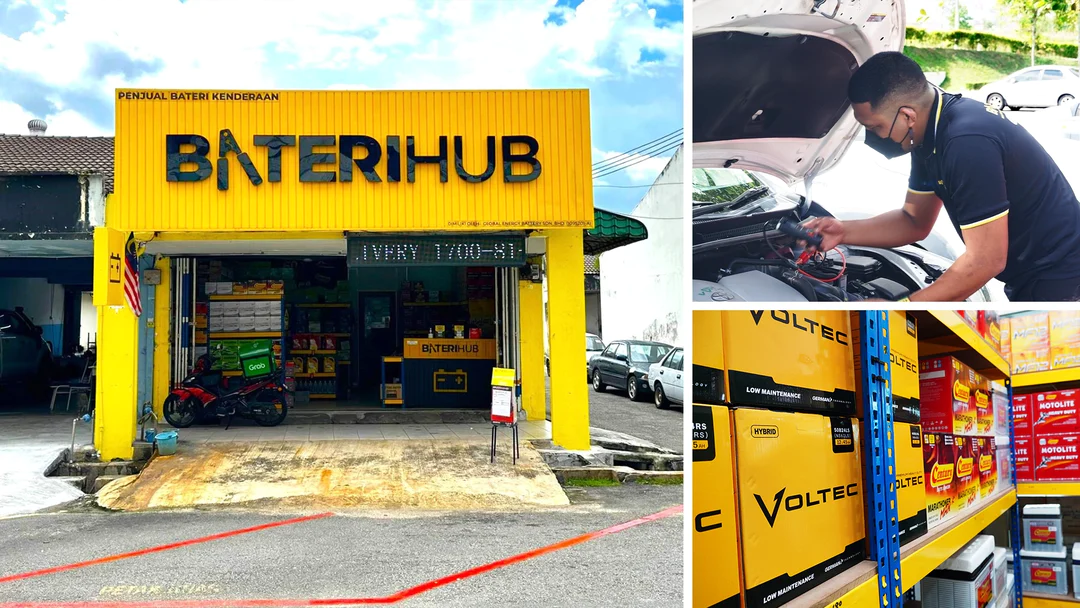
BateriHub Reaches 200-Store Milestone, Becomes Malaysia’s Largest...
Started by
The_Mechanic
News and Features
Been stalking for 3 years edy
Started by
dheepadarshan95
Introduction and Newbies
Recommendation: Turbocharger for 4B11 N.A engine
Started by
Mitevo7
Car Modification
Search
Online now
Enjoying Zerotohundred?
Log-in
for an ad-less experience
Home
Forums
Main Forums
Car Talk
Forced Induction & Engine Management
Tuning with a EGT