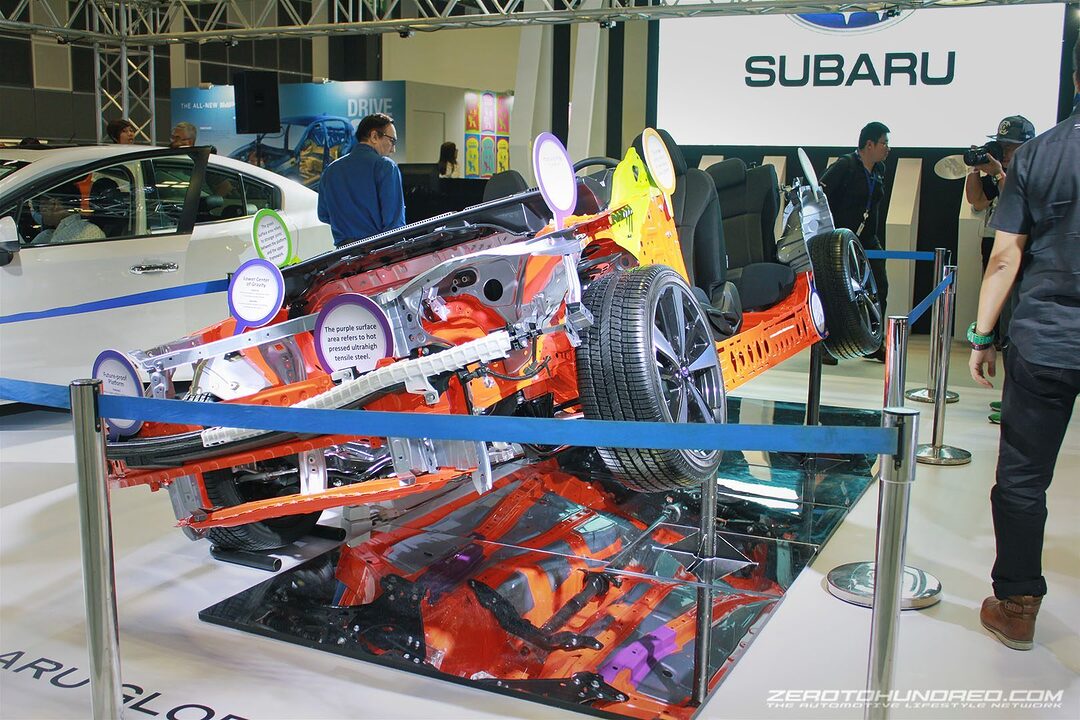
horizontal opposed @ flat @ boxer engines were unique features of Volkswagen Beetle, Porsche 911, Subarus and Alfa Romeos.
The main advantage is low center of gravity thus improving handling and horizontal opposed cylinders have better dynamics compare to any other design. Maybe in large capacity but Alfa Romeo tried in smaller capacity (1.5, 1.6 and 1.7) but resulted shaky and vibrating engine especially if its factory set vacuum tune has been tempered.
This was no doubt as when Fiat took over Alfa, they slowly put the Boxer engine to history. Then started the use of in-line engines of similar block to Fiat but different head design which has unique characteristic of Alfa.
Volkswagen had stopped Boxer engine long time ago but is very brave with their W12 engine (that is two narrow V6 engines attached together).
Porsche and Subaru are still using Boxer engines as part of their line up in order trying to retain their identity.
Ferrari tried Flat 12 engine in the 1986 Testarossa (means Red Head in Italian) and F512M is a facelifted version of it back in the nineties. other Ferraris are using V engines, normally 90 degrees. These are evident in 288 GTO, 308GTB/GTS, 328GTB/GTS, 348GTB/GTS, 355, 360 Mondial, F40, F50 and F60. Normally the figures stand for engine capacity and number of cylinders but then I got lost of why.
288 = 2.8 litre 8 cylinder
308 = 3.0 V8
328 = 3.2 V8
348 = 3.4 V8
512 = 5.0 F12
while GTB stands for Gran Tourismo Berlinetta (hard top) and
GTS = Gran Tourismo Spider (open top)
I prefer Vee engines, smoother and compact in design although in the case of Kia Carnival you have to bring down the engine in order to replace the spark plugs of the inner bank. Not to mention 3 timing belt every time to change. ha ha ha pathetic but same engine is being used in British Jaguar S type 2.5V6, Rover 75 as well as Land Rover Freelander 2.5 V6 petrol.